One Story: A Handwritten Font for Authentic Design
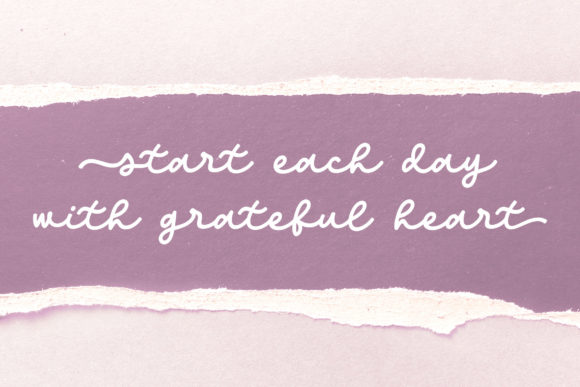
There's a certain warmth that digital text often misses. We scroll through endless pages of clean, geometric sans serifs and structured serifs, and while they're excellent for readability and professionalism, they can feel sterile. This is where a font like One Story steps in. It’s not just another script font; it’s a carefully crafted handwritten font that brings a genuine, human touch to any project. Its letters flow with a natural, slightly imperfect rhythm, mimicking the casual elegance of real penmanship. The overall appeal lies in its balance—it feels personal and approachable without sacrificing clarity, making it a versatile tool in a designer's toolkit.
The Visual Character of One Story
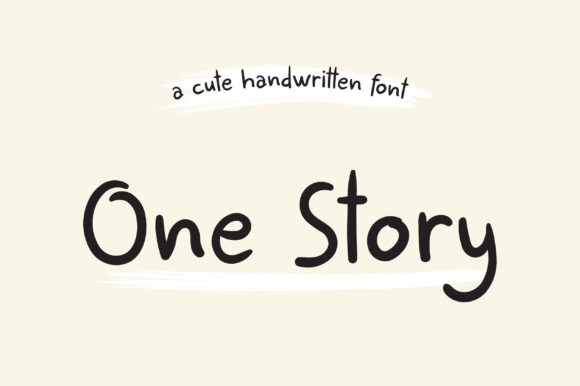
At its core, One Story presents a friendly and organic personality. The letterforms are connected in a smooth, cursive style, but with enough spacing to maintain legibility even at smaller sizes. You’ll notice subtle variations in stroke thickness that give it a dynamic, hand-drawn quality. Unlike overly decorative script fonts, One Story avoids excessive swashes or complicated ligatures. This simplicity is its strength. It reads as authentic and unpretentious, which is exactly why it resonates so well across such a diverse range of applications. Whether you're designing a logo for a boutique bakery or creating social media graphics for a lifestyle brand, this typeface communicates sincerity and creativity.
Where One Story Truly Shines
Understanding a font's ideal environment is key to using it effectively. One Story excels in contexts where a personal connection is paramount. Think of brand identity for small businesses, especially those in the wellness, artisanal, or creative sectors. A logo set in One Story immediately tells customers there's a human behind the brand. For blog posts and digital planners, it can be used for headings or accent text to break the monotony of body copy and inject personality. In editorial design, particularly for magazines or zines targeting a young, creative audience, it works beautifully for pull quotes or section titles.
- Invitations & Greeting Cards: Its handwritten nature is perfect for wedding suites, baby shower invites, or thank-you cards, adding a layer of intimacy that pre-printed fonts lack.
- Packaging Design: For products like homemade jams, candles, or cosmetics, One Story on the label reinforces the craft and care put into the product.
- Social Media Graphics: In a feed dominated by bold sans serifs, a caption or call-to-action in One Story can stop the scroll and feel more conversational.
- Merchandise: On tote bags, mugs, or t-shirts, the font lends a trendy, indie aesthetic that appeals to a broad demographic.
Influence on Brand Perception and Audience Engagement
The choice of a creative font like One Story directly influences how an audience perceives a brand. It moves a brand away from corporate rigidity and towards approachability and authenticity. This can significantly boost engagement; people are more likely to interact with content that feels like it's coming from a real person. However, this must be balanced with readability. While One Story is legible, using it for long paragraphs of body text would be a mistake. Its role is as a display font—for headlines, logos, and short bursts of text. Pairing it correctly is essential. A clean, neutral sans serif font for body copy creates a perfect font pairing, allowing One Story to capture attention without overwhelming the reader.
Practical Guidance for Implementation
Before integrating any premium font into your workflow, a few practical steps are necessary. First, always test the font in context. Mock up your logo, create a sample social media post, or set a headline in a document. Does it maintain its charm at the size you need? Does it clash with your color palette? Second, review the full character set. A good commercial font like One Story will include alternates, ligatures, and multi-language support. These extras allow you to customize the look and avoid repetition, which is crucial for larger projects. Finally, understand the licensing. For commercial use—whether on client work, merchandise for sale, or a monetized blog—you need a license that covers that specific application. Reputable foundries are clear about this, ensuring your design assets are legally sound.
In the landscape of modern typography, One Story holds a valuable place. It’s a tool for storytelling. It doesn’t just display words; it adds a layer of narrative about creativity, care, and individuality. For the designer, entrepreneur, or content creator looking to build a recognizable and relatable brand, it’s more than just a font—it’s a strategic asset that can help bridge the digital divide and create a moment of genuine connection with your audience. Use it thoughtfully, pair it wisely, and let it tell your unique story.